Suches Vacation Rentals - Blog
Rock Hound
Rock hound is such a great name for people who enjoy collecting rocks and minerals. Geologist just doesn’t bring a smile to your face in quite the same way. But rock hound? That makes me want to pull on rubber boots, wander a cold mountain creek, and keep my eyes peeled for the perfect piece of quartz to tuck into a terrarium or line along a windowsill.
And here’s the thing—North Georgia has been quietly feeding that impulse for nearly 200 years.
A Landscape Shaped by Gold and Stone
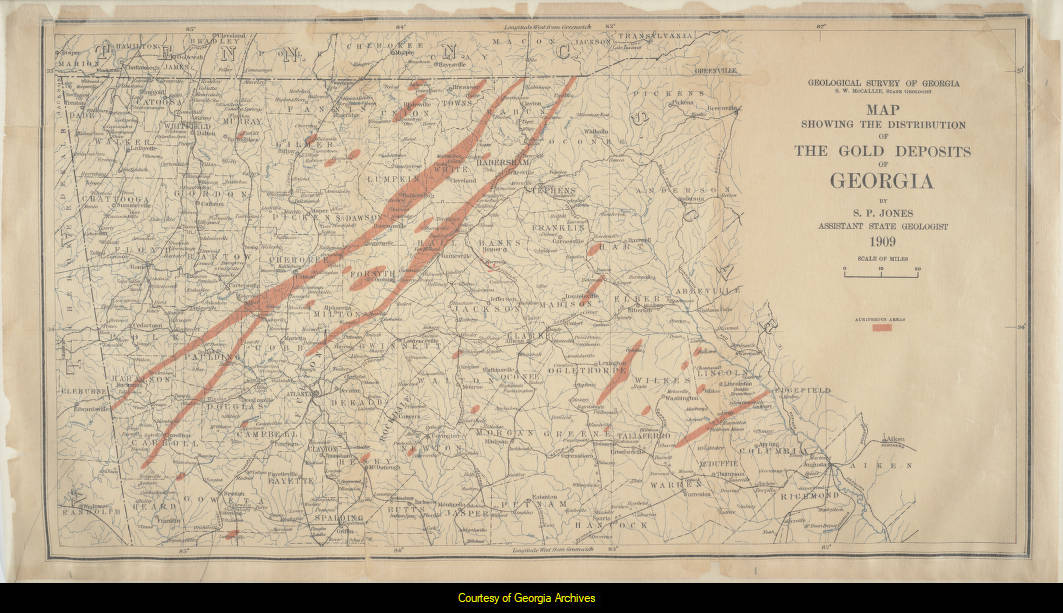
Long before it became a destination for leaf-peepers, hikers, and cabin weekends, North Georgia was at the center of America’s first major gold rush. In the late 1820s, gold discoveries in and around what is now Dahlonega set off a mining boom that reshaped the mountains. Prospectors—known as Twenty-Niners—fanned out through creek beds, hillsides, and hollers, panning for placer gold and digging shallow shafts into quartz veins.
By 1838, the U.S. government had established a branch mint in Dahlonega, minting gold coins directly from North Georgia ore. That alone tells you how significant the finds were. While the rush slowed by the 1840s and many miners eventually headed west to California, the marks they left behind—both literal and cultural—are still visible today.
More Than Just Gold
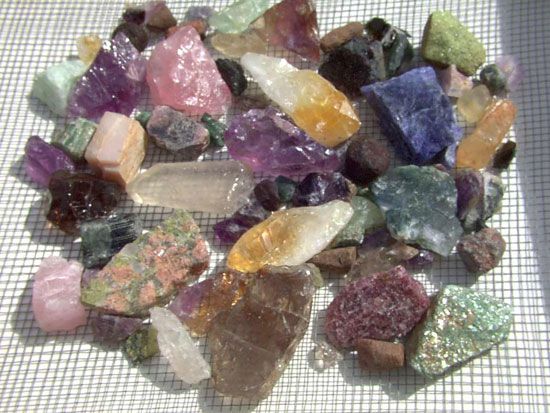
What many people don’t realize is that gold was only part of the story. Georgia’s complex geology—full of igneous, metamorphic, and sedimentary rock—created ideal conditions for a wide range of minerals and gemstones. Quartz, now Georgia’s official state gemstone, shows up everywhere: clear points, smoky quartz, rose quartz, and deep purple amethyst crystals hidden in pockets of pegmatite rock.
Beyond quartz, the state has yielded garnets, tourmaline, aquamarine, staurolite “fairy crosses,” agates, and even rare finds like topaz and corundum (ruby and sapphire). Some of these discoveries came from formal mines; others were pulled straight from stream gravel by curious locals and wandering rock hounds.
Fannin County and the Working Mountains
In places like Fannin County, mining records show dozens of historic sites—some producers, others prospects—where copper, gold, iron, and manganese were once extracted. Many of these locations sit near waterways and mineral-rich formations, the same areas modern visitors explore today while hiking, fishing, or floating a river.
That’s part of the magic of North Georgia: you can be skipping stones with your kids or letting your dog splash in a creek, all while standing in a place where people once searched the gravel for flecks of gold or crystal points glinting in the sun.
Why Rock Hounding Still Fits Here
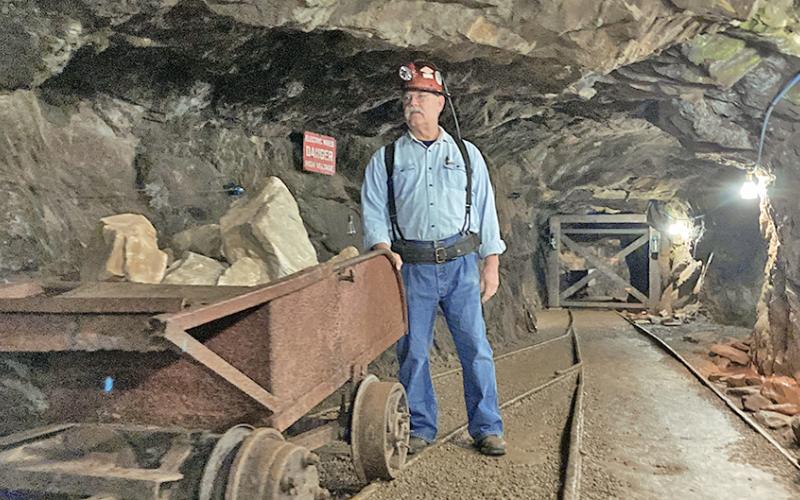
Rock hounding feels right in the mountains because it slows you down. It asks you to look closely. To notice color, texture, weight. It turns a simple walk into a quiet treasure hunt—and whether you come home with a crystal in your pocket or just muddy boots and cold fingers, you leave feeling connected to the land in a deeper way.
North Georgia doesn’t shout its mineral history. It whispers it—through old mine entrances, creek-worn stones, museum displays, and the simple thrill of spotting quartz where water and time have done their work.
And honestly? That feels like the perfect place to start any adventure.
Top Gem Mining Locations
- Crisson Gold Mine (Dahlonega): Known for panning for gold and gems like rubies, emeralds, sapphires, and amethysts.
- Dukes Creek Gold and Ruby Mines (Sautee Nacoochee): Family-friendly, year-round,, and offers gem mining and panning.
Created: Tue, Apr 14, 2026 by Joni Lee
Created: Fri, Mar 20, 2026 by Joni Lee
Created: Fri, Jan 30, 2026 by Joni Lee
Created: Sun, May 25, 2025 by Joni Lee
Created: Sun, May 25, 2025 by Joni Lee